
Have you ever walked into a coin shop and wondered why a coin costs more than the metal inside it? That extra price is often called the Coin Markup. It is the difference between what a dealer paid for a coin and the price they sell it for to you. Think of it like buying anything else at a store. The shop needs to pay for rent, electricity, and their own time. When you see a coin markup, you are helping pay for the expertise the dealer shares with you. Understanding this helps you feel confident when buying pieces for your collection. It turns a mystery into a simple business transaction that everyone can understand.
What Exactly is Coin Markup?
In simple terms, coin markup is the profit margin a seller adds to their cost. Imagine a dealer finds a rare penny for $5. To keep their store open, they might sell it for $8. That $3 gap is the coin markup. This is very common in the world of numismatics, which is just a fancy word for coin collecting. Dealers use this money to stay in business and keep finding new treasures for people like you. It is not meant to trick anyone. Instead, it is a standard part of how the rare coin market works every single day.
Why Do Dealers Charge Extra?
You might ask why the coin markup exists at all. Running a coin business is expensive! Dealers spend money on travel to find coins, insurance to keep them safe, and grading fees. When a professional examines a coin, they are using years of experience. That expertise has value. The coin markup pays for the time they spent learning about dates, mint marks, and rarity. Without this margin, it would be hard for hobby shops to exist. When you pay a fair coin markup, you are really paying for peace of mind and professional guidance.
How Supply and Demand Change Price
The coin markup often changes based on how many people want a specific coin. If a coin is super rare, many people might want it at once. This high demand lets dealers adjust their coin markup slightly higher. Conversely, if a coin is very common, the markup stays low. It is basic economics at work in your pocket! As a collector, watching these trends is part of the fun. You start to learn which coins are “hot” and why some prices move up or down. Always remember that popularity affects the final price you see on the tag.
The Role of Coin Grading
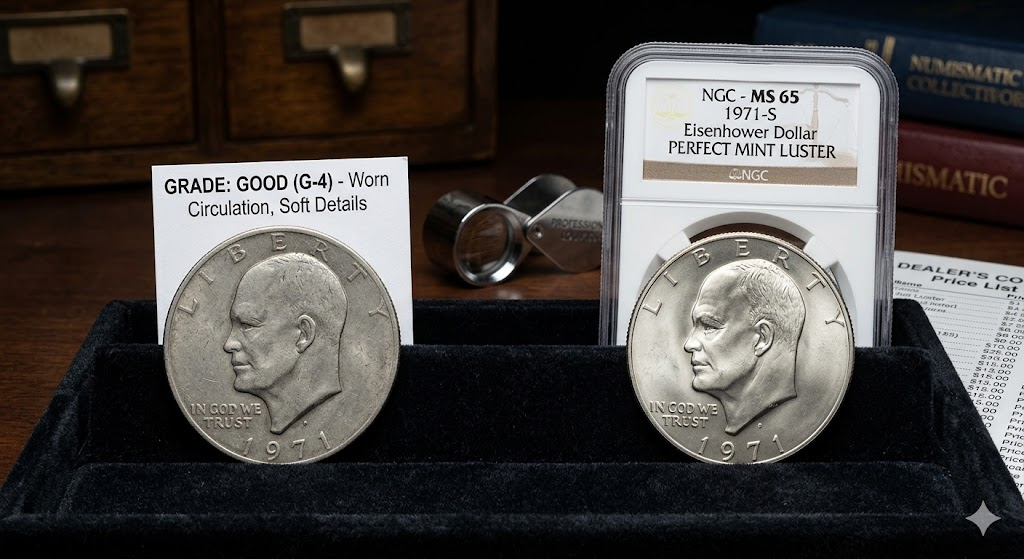
Quality matters a lot in the pricing game. A perfectly shiny, uncirculated coin will always have a different coin markup than a worn-out one. Professional grading services look at coins and give them a score. Dealers use these scores to decide on a fair coin markup. A high grade means the coin is in great shape, so it costs more to buy. When you look at your collection, try to spot the difference between a “good” and “great” coin. This skill helps you understand why some coins seem more expensive than others.
Where to Find Fair Pricing
Finding a fair deal is all about knowing where to look. Some shops are great at explaining their coin markup, while others might be more expensive. I always recommend visiting a few different local coin shops to compare. When I first started collecting, I was nervous about paying too much. I learned that asking questions is the best way to build trust. If a dealer is friendly and helps you learn, they are usually charging a fair coin markup. Trust your gut and never feel pressured to buy something if the price feels wrong.
Comparing Online vs. Local Shops
The internet has changed how we look at coin markup. Online, you can check prices for the same coin at ten different places in seconds. This makes it easy to see if a coin markup is reasonable. However, shopping locally has its own special benefits. In a store, you can hold the coin and talk to a real person. You cannot get that experience online! Some collectors prefer the safety of a local shop. Others love the speed of the web. Both options are great, as long as you do your homework first.
How to Calculate Potential Value
If you want to be a smart collector, you should learn to calculate values. Start by looking up the “melt value” of your silver or gold coins. This is what the metal is worth if you melted it down. Any price above that is essentially the coin markup and the collector’s premium. Knowing this difference is a huge power boost. It helps you see the “true” value of the piece you are holding. Once you know these numbers, you can decide if the coin markup fits your budget and your collection goals.
Is Coin Markup Always the Same?
No, the coin markup is never fixed. It changes based on the dealer, the location, and the specific coin. A famous, rare coin might have a much higher coin markup than a common souvenir coin. Think of it like buying art or baseball cards. A rare item will always command a premium price because it is harder to find. Dealers have to work harder to locate those special items, which is why the coin markup goes up. Every coin has a different story, and that story often dictates the final price on the shelf.
Tips for New Collectors
If you are just starting, do not worry about the coin markup too much at first. Focus on finding coins that you truly enjoy. Do you love the design? Do you like the history of the date? When you buy what you love, the coin markup matters less. Over time, you will learn the market and become an expert yourself. Join a local club or read hobby magazines to learn more. The best collectors are the ones who stay curious and keep learning. Have fun with your new journey into the world of coins!
The Future of Coin Collecting
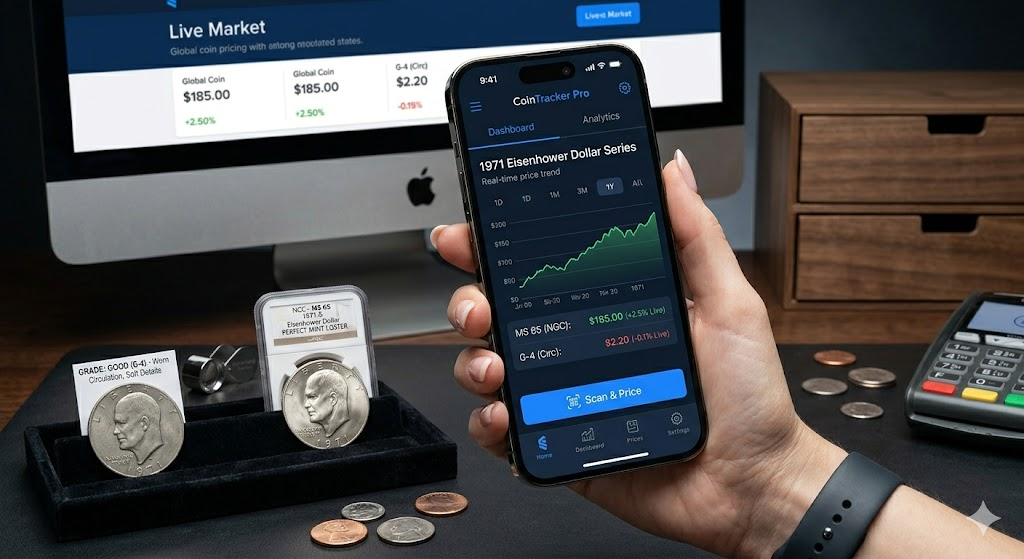
Technology is making it easier to track coin values than ever before. New apps and websites show you real-time data, which helps keep the coin markup transparent. This is great news for everyone! As more people learn how to track prices, the market becomes more honest and open. Whether you collect pennies or gold coins, there has never been a better time to start. Keep checking your change and keep exploring. Who knows what rare treasure you might find in your pocket today? The excitement of the hunt is the best part of this hobby.
Frequently Asked Questions
1. Is coin markup the same as a service fee?
It is similar! Think of the coin markup as a fee for the dealer’s time, expertise, and business costs. It covers everything they do to keep their shop running and their inventory available for you.
2. How can I tell if a markup is too high?
The best way is to compare! Check the prices of similar coins at other shops or online. If one shop has a coin markup that is way higher than everyone else, you might want to look elsewhere.
3. Does gold and silver coin markup differ?
Yes, they can! Because gold and silver are precious metals, their price changes every day. Dealers usually add a small coin markup to cover their costs, which fluctuates with the global market price of the metal.
4. Should I worry about the markup if I just want a pretty coin?
If you are buying for fun rather than an investment, the coin markup is less important. Focus on finding a piece that brings you joy, and ensure the price fits comfortably within your own personal hobby budget.
5. Can I negotiate the coin markup?
Sometimes you can! It never hurts to be polite and ask. If you are buying a few coins at once, a dealer might be willing to adjust the coin markup slightly. Being a friendly regular customer really helps!
6. Why is the markup higher on very rare coins?
Rarity drives value. Because a dealer spends more time and money hunting down a truly unique or rare coin, they naturally include a higher coin markup to reflect the extra effort and the high demand for that special item.
Conclusion
Learning about coin markup is a big step toward becoming a smart, savvy collector. It helps you understand how the market works and why coins are priced the way they are. Remember, a fair coin markup is just a part of doing business with honest professionals. Don’t let it scare you away from starting your collection! Start small, ask questions, and enjoy the thrill of finding your next great piece. If you found this guide helpful, please share it with a friend who is thinking about starting their own collection. Happy hunting, and enjoy every new coin you add to your growing treasure box!