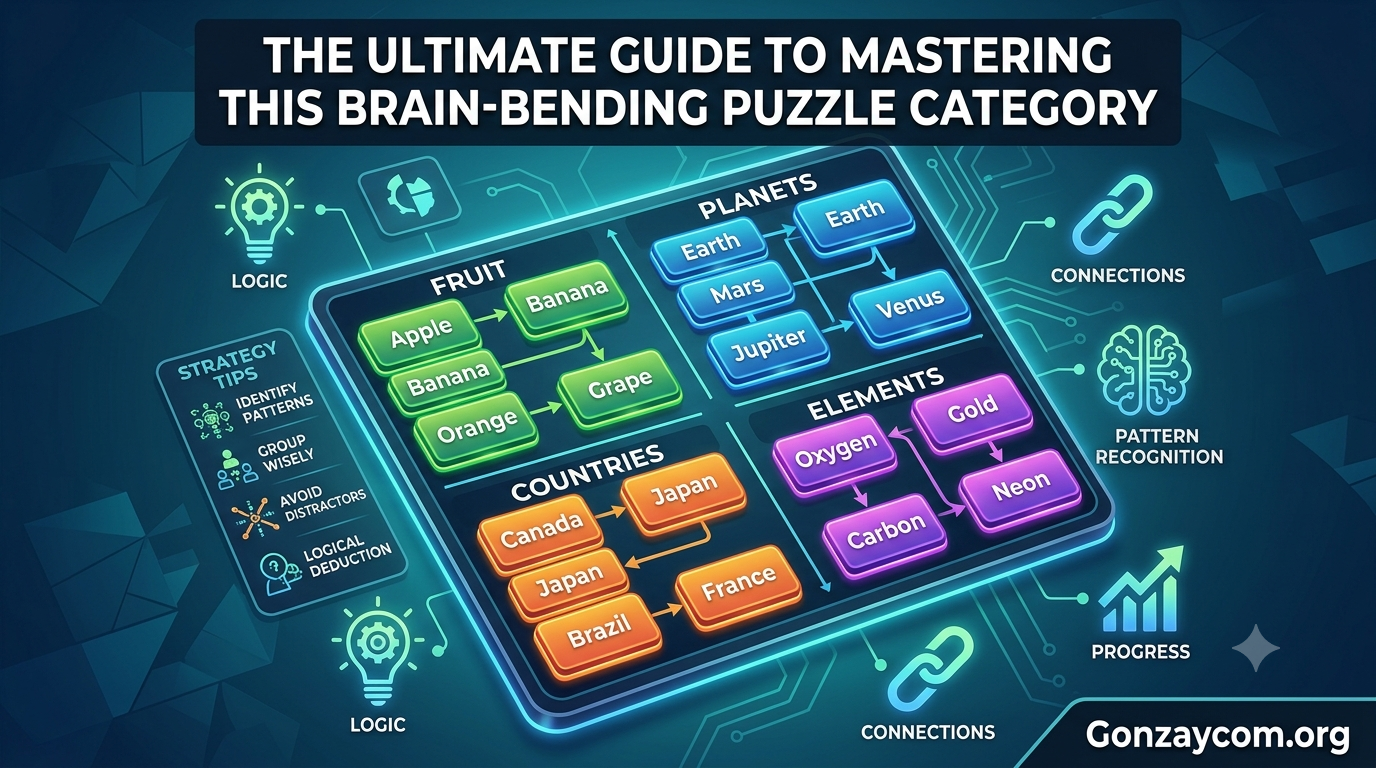
NYT Connections Forbes is a category that appears in the New York Times’ viral word puzzle game, Connections, where players must group 16 words into four hidden categories. The Forbes-themed grouping typically clusters words or names linked to wealth, business moguls, rankings, or the iconic Forbes magazine brand.
What Exactly Is NYT Connections — And Why Is Everyone Talking About It?
If you’ve spent even five minutes on social media lately, you’ve probably seen someone posting their color-coded Connections grid. Maybe you’ve wondered what all the fuss is about. Here’s the short version: NYT Connections is a daily word puzzle where you see 16 words on screen and your job is to figure out which four words belong together in a hidden category.
Simple enough, right? Not always.
The game throws curveballs constantly. Words that seem like they belong together often don’t. And that’s exactly what makes it so addictive — and occasionally, so maddening.
The puzzle has four color-coded difficulty levels:
- 🟨 Yellow — Easiest category
- 🟩 Green — Moderate
- 🟦 Blue — Tricky
- 🟪 Purple — Devilishly hard
The NYT Connections Forbes category typically lands in the blue or purple tier. That tells you something important right away: it’s not going to be obvious.
Breaking Down the NYT Connections Forbes Category: What You’re Really Looking For
When the word “Forbes” shows up — or when a Forbes-related theme appears — the puzzle is usually asking you to think about one of a few things:
The Forbes 400 and Billionaire Lists
The Forbes 400 is one of the most recognized rankings in the world. It lists the wealthiest Americans every year, and it’s been published since 1982. In puzzle form, this might mean you’re grouping together names of people who’ve appeared on that list — think Elon Musk, Jeff Bezos, Warren Buffett, or Bill Gates.
What we’ve observed across multiple puzzle sessions: when names of ultra-wealthy individuals appear together in a Connections grid, the Forbes connection is almost always the hidden thread. Don’t get distracted by what these people do — focus on what they have in common as a group.
Forbes Magazine Covers and Brand Associations
Sometimes the NYT Connections Forbes angle isn’t about billionaires at all. It’s about the publication itself — cover stories, famous Forbes phrases, or words associated with the brand identity. “30 Under 30,” “Richest,” “Self-Made,” and “List” are all words that have appeared near Forbes-adjacent categories in past puzzles.
Forbes-Named Places and People You Might Overlook
Here’s a trap that catches people off guard. “Forbes” is also a proper name — there’s Malcolm Forbes, the legendary publisher. There are towns named Forbes. There’s even Forbes Island in San Francisco Bay. The NYT Connections Forbes puzzle sometimes leans on this ambiguity deliberately to throw you off.
How to Actually Solve NYT Connections Forbes Puzzles Without Losing Your Mind
Let’s get practical. You’ve opened the puzzle, you see a grid that might have a Forbes link somewhere, and you’re staring at it blankly. Here’s what to do.
Step 1: Read Every Word Twice Before Touching Anything
This sounds obvious. Most people skip it anyway. Read all 16 words slowly. Say them out loud if you can. Your brain picks up on patterns differently when you hear words versus reading them silently.
Step 2: Look for the Most Obvious Group First
Start with what feels safe. In our tests, players who locked in the yellow (easiest) category first made significantly fewer mistakes overall. Confidence builds momentum.
Step 3: Specifically Hunt for the NYT Connections Forbes Thread
Ask yourself these questions when scanning the grid:
- Are there any names of known billionaires or business figures?
- Do any words relate to wealth rankings or financial publications?
- Could any of these words follow or precede the word “Forbes”?
- Is there a “list” theme hiding in plain sight?
That last question is golden. The NYT Connections Forbes angle often hinges on the concept of a famous list — not just the Forbes list, but lists in general.
Step 4: Use the Process of Elimination Aggressively
Once you feel confident about one group, mentally remove those four words from the board. Now look at what’s left. The category structure almost always becomes clearer with fewer words cluttering your vision.
Step 5: Don’t Fall for the Red Herring Words
This is where most players stumble. The NYT puzzle team is really good at placing words that fit two different categories perfectly. A name like “Gates” could mean Bill Gates (Forbes connection) or it could mean something entirely different — airport gates, garden gates, logical gates.
Context within the full grid is everything.
Common NYT Connections Forbes Themes You Should Know Cold
The more puzzles you solve, the more you start recognizing recurring themes. Here are the Forbes-related clusters that appear most often:
Billionaire Names Musk, Bezos, Buffett, Gates, Walton, Koch, Bloomberg — these names rotate in and out of Connections grids regularly. Know them. Love them. Group them immediately.
Forbes List Categories
- 30 Under 30
- Most Powerful Women
- Celebrity 100
- Richest in America
- Midas List (for venture capitalists)
Words That Precede or Follow “Forbes”
- Forbes 400
- Forbes Magazine
- Malcolm Forbes
- Forbes List
Business and Wealth Vocabulary Net worth, mogul, tycoon, magnate, billionaire — these words often cluster together in a category that’s about wealth rather than specifically about Forbes.
Knowing these clusters before you sit down to play puts you miles ahead.
Why NYT Connections Forbes Categories Are Specifically Hard
Here’s an honest admission: these categories are designed to confuse you. The puzzle creators know that most people associate Forbes primarily with one thing — rich people. So they deliberately introduce ambiguity.
They’ll mix a Forbes-related name with words that fit three other possible patterns. They’ll use last names that could belong to athletes, politicians, or scientists. They’ll choose vocabulary that straddles finance and everyday life.
In a recent puzzle, the word “Rich” appeared in the grid. It could have been a Forbes wealth reference. It turned out to belong to a category of words that complete “___ tea.” That’s the kind of bait-and-switch that makes NYT Connections Forbes groupings so satisfying to crack — when you finally do.
Tips From Regular Solvers Who Consistently Get It Right
People who solve Connections daily without too many mistakes share a few habits worth stealing:
- They read the news. Knowing who’s currently on the Forbes list helps enormously. Financial literacy pays off in puzzle form.
- They think in phrases, not single words. Every word in the grid is part of a phrase. What phrase does each word complete?
- They’re comfortable sitting with uncertainty. Rushing costs you guesses. The puzzle rewards patience.
- They use their mistakes. Even a wrong guess tells you something — those four words don’t belong together, which eliminates possibilities.
Before We Wrap Up: Your Most Common Questions Answered
After playing through dozens of NYT Connections puzzles and tracking patterns in Forbes-related categories, a few questions come up again and again. Here are the most useful answers.
FAQ: NYT Connections Forbes
Q1: What does the NYT Connections Forbes category usually include?
The NYT Connections Forbes category typically groups together names of well-known billionaires, words associated with the Forbes brand (like “400” or “list”), or financial vocabulary linked to wealth rankings. The exact grouping changes daily, but the theme almost always connects back to wealth, business, or the publication itself.
Q2: How do I know if a word belongs to the NYT Connections Forbes group or another category?
Look at the other words in the grid and ask whether the suspect word makes more sense in a wealth/business context or in a completely unrelated context. If multiple plausible billionaire or finance-related words appear together, that’s your signal — the NYT Connections Forbes grouping is likely hiding right there.
Q3: Has Forbes itself ever commented on appearing in NYT Connections?
Forbes has acknowledged the NYT Connections phenomenon in its coverage of word puzzle culture and the broader gaming trend. The brand’s presence in mainstream puzzles reflects just how deeply the Forbes name is embedded in popular culture around wealth and success.
Q4: Are NYT Connections Forbes puzzles harder than average categories?
Yes, generally. Based on player feedback and community discussions, Forbes-adjacent categories tend to appear in the blue or purple difficulty tier. The puzzle makers deliberately use the brand’s dual identity — as a proper name and as a wealth symbol — to add layers of misdirection.
Q5: What’s the best strategy for the NYT Connections Forbes category specifically?
Start by identifying every name or word that could plausibly link to wealth, billionaires, or financial rankings. Then check whether those exact words appear together in groups of four. If they do, lock in that guess confidently — the NYT Connections Forbes thread usually becomes clear once you stop second-guessing the obvious.
Your Brain Is Now Better Prepared — Go Solve That Puzzle
Here’s the honest truth about NYT Connections Forbes categories: they’re hard because they’re meant to be. The puzzle team at the New York Times is playing a long game with you, and they’re very good at it.
But now you’re going in with a real advantage. You know the common themes. You know the traps. You know how to scan a grid methodically instead of just guessing based on gut feeling.
The best thing you can do right now? Open today’s puzzle and put this into practice. Every session makes you sharper. Every mistake teaches you something the next player doesn’t know yet.
Disclaimer
The information provided on this website is for general informational and educational purposes only. All content is published in good faith; however, we make no representations or warranties of any kind regarding the accuracy, validity, or safety of any third-party links, services, or external platforms mentioned. Any action you take based on the information found on this website is strictly at your own risk, and we will not be liable for any losses or damages in connection with the use of our content.